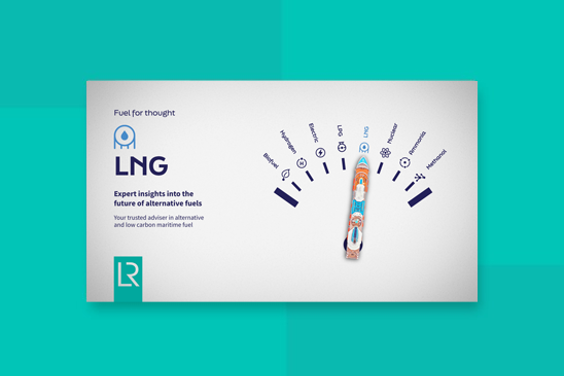
Understanding LNG as a marine fuel
LNG (Liquefied Natural Gas) is increasingly being adopted as a fuel for shipping due to its potential to significantly reduce emissions, making it a more environmentally friendly option compared to traditional marine fuels.
The maritime industry is exploring LNG as part of its strategy to move towards greener and more sustainable operations. This shift is driven by the need to comply with international regulations aimed at reducing greenhouse gas emissions from ships and the industry’s commitment to environmental goals.
Advantages LNG fuelled ships
The use of LNG as a marine fuel offers several benefits, including reduced Emissions: LNG combustion produces lower levels of sulphur oxides (SOx), nitrogen oxides (NOx), particulate matter, and carbon dioxide (CO2) compared to heavy fuel oil (HFO). LNG also meets the emission standards of the International Maritime Organization (IMO), including the global sulphur cap and the Emission Control Areas requirements.
LNG has a high energy content per unit volume, which can lead to improved fuel efficiency and longer voyages between refuelling. The development of LNG bunkering infrastructure is expanding, providing greater accessibility for ships to refuel at major ports worldwide.
The future of LNG shipping fuel: Bunkering safety and future outlook
Ship designs and engine technologies are evolving to accommodate LNG fuel systems, including considerations for storage, safety, and handling of cryogenic LNG. However, the initial investment for LNG-powered ships and the retrofitting of existing vessels can also be significant factors to consider.
LNG is a potential transitional fuel as the industry looks towards a carbon-neutral future. Advances in bio-LNG and synthetic LNG could align with the IMO’s long-term greenhouse gas reduction strategy.
Latest content, downloads and tools

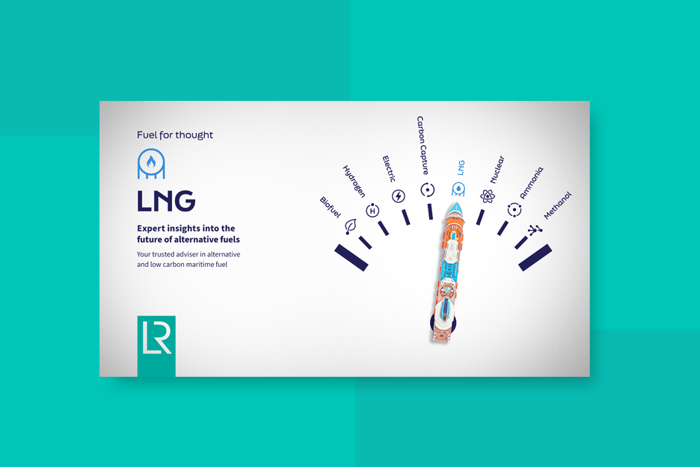


LNG Fuel - Frequently Asked Questions
LNG, or Liquefied Natural Gas, is natural gas — a fossil fuel made up mainly of methane with small amounts of other hydrocarbons — that has been cooled to –162°C so it can be stored and transported as a liquid. When liquefied, it has a much smaller volume, enabling efficient handling and storage on board. In the maritime sector, it is one of several fuel options available to help shipowners meet increasingly strict air-emission regulations.
Because LNG contains no sulphur and produces very low particulate matter, it can support compliance with global and regional air-quality requirements. It also offers reductions in NOx and a lower CO₂ footprint compared with conventional marine fuels, depending on engine technology and how the fuel is managed on board.
As with any fuel choice, LNG suitability depends on factors such as vessel type, route, fuel availability, long-term strategy and the broader energy transition. It is one pathway available today, considered alongside a growing range of alternative and conventional fuels as the industry plans its route to decarbonisation.
LNG can be used as a marine fuel on vessels that are either purpose-built or converted to operate with gas-fuelled engines and cryogenic storage systems. It is already used across a range of ship types, including container vessels, tankers, cruise ships and offshore support vessels.
Its suitability depends on factors such as the vessel’s operating profile, regional emission-control requirements and the availability of LNG bunkering infrastructure along key routes. For some shipowners, LNG offers a way to meet current air-emission regulations while supporting broader sustainability objectives, while others may evaluate it alongside different fuel pathways as part of long-term fleet planning.
Using LNG as a marine fuel comes with a number of practical and operational considerations that shipowners weigh up when assessing whether it is suitable for their fleet. LNG requires cryogenic storage tanks, which are larger than conventional fuel tanks and can influence vessel layout and cargo capacity. The onboard systems and engine technologies needed to handle LNG are also more complex and can increase installation or conversion costs.
Fuel availability is another factor, as LNG bunkering infrastructure continues to develop and is more established in some regions than others. In addition, methane slip — the release of unburned methane during engine operation — can affect the overall greenhouse-gas performance depending on engine type and how the fuel is managed.
These factors mean LNG is one option among several, with its suitability depending on the vessel type, operating routes and wider long-term fuel strategy.
LNG carriers typically use the natural boil-off gas (BOG) generated from their own cargo as a primary fuel source. As LNG warms slightly during transport, a small amount naturally evaporates, and this vapour can be used in dual-fuel engines or gas-burning systems to power the vessel.
Depending on the ship design, some vessels also have the option to reliquefy the excess vapour if more efficient for the voyage. Alongside gas-fuelled operation, LNG carriers usually retain a supply of conventional marine fuels such as marine diesel oil for periods when gas is unavailable, during manoeuvring, or for redundancy.
This integrated approach enables LNG carriers to manage cargo conditions efficiently while supporting reliable propulsion throughout different operating scenarios.
LNG, like any marine fuel, comes with considerations that operators assess when deciding whether it aligns with their vessel requirements and long-term plans. LNG needs cryogenic storage tanks, which are larger than conventional fuel tanks and can influence vessel layout and available space on board. The associated fuel-handling systems and engine technologies can also increase installation or conversion costs compared with traditional fuels.
Fuel availability is another factor, as LNG bunkering infrastructure is well-developed in some regions but still emerging in others. The management of methane slip — the release of unburned methane during combustion — can also affect overall greenhouse-gas performance depending on engine design and operational practices.
These elements mean LNG may suit certain vessels and operating profiles more than others, and it is considered alongside a range of alternative fuels as part of the industry’s broader transition.
Whether LNG is “better” than diesel depends on a vessel’s operational needs and the criteria being considered. LNG offers clear air-quality advantages, as it contains no sulphur and produces very low particulate matter, while also achieving significant reductions in NOx emissions. It can also provide a lower CO₂ footprint than conventional marine diesel, depending on engine technology and how the fuel is managed on board.
Diesel, however, remains widely available and simple to store, with established global infrastructure and lower upfront installation requirements. As a result, operators typically evaluate LNG and diesel within the wider context of vessel design, trading patterns, emission-control requirements and long-term fuel strategy.
Both fuels play different roles today, and their suitability varies from ship to ship.
LNG is kept cold on ships using insulated cryogenic tanks designed to maintain the fuel at around –162°C. These tanks minimise heat transfer, allowing the LNG to remain in its liquid state without the need for continuous mechanical refrigeration. As a small amount of heat naturally enters the tank over time, a portion of the LNG evaporates and forms boil-off gas (BOG).
This vapour is carefully managed depending on the vessel and engine type. It can be used as fuel for propulsion, or on some ships, it can be reliquefied and returned to the tank. These systems help maintain stable tank pressure and temperature throughout the voyage, ensuring safe and reliable storage of the fuel.
LNG-fuelled ships and LNG carriers are designed and operated under strict international safety standards, supported by specialised equipment and long-established industry practices. Their fuel systems use double-walled, heavily insulated tanks and dedicated safety barriers to contain the LNG and manage pressure and temperature effectively.
The sector also applies rigorous training, monitoring and emergency-response procedures, helping ensure that crews are familiar with the unique properties of cryogenic fuels. As a result of this combination of robust engineering, regulatory
oversight and operational discipline, LNG-powered vessels have built a strong safety record across decades of commercial use.
LNG provides several operational and environmental advantages that shipowners may consider when assessing fuel options. Because LNG contains no sulphur and generates very low particulate matter, it enables vessels to meet global and regional air-quality requirements. It also delivers significant reductions in NOx emissions and can lower CO₂ compared with conventional marine fuels, depending on engine type and fuel-management practices.
Beyond emissions, LNG can support efficient engine performance and quieter operation, which may be beneficial in certain trades or port environments. As the maritime industry transitions toward a broader mix of future fuels, LNG is one of the options available today that can help vessels comply with current regulations while contributing to wider sustainability goals.
Yes, a growing number of modern cruise ships are designed to operate on LNG. Several large cruise operators have introduced LNG-fuelled vessels as part of their fleet strategies, using the fuel to meet increasingly strict air-emission requirements in coastal areas and ports.
LNG helps reduce sulphur oxides, particulate matter and NOx emissions, supporting improved air quality for both passengers and port communities. It also enables quieter engine operation, which can enhance the onboard experience. As the industry expands its focus on lower-emission technologies, LNG is one of the fuel options being adopted for newbuild cruise ships.
The amount of LNG a ship can carry varies widely depending on the vessel’s size, design and the type of containment system it uses. Large LNG carriers typically transport between 170,000 and 266,000 cubic metres of LNG, although some specialised vessels can carry more or less depending on their intended trade and operational requirements.
Smaller LNG bunkering vessels or coastal carriers are designed with significantly lower capacities to suit regional infrastructure and short-range distribution. Tank size, insulation requirements and the overall layout of the ship all influence how much LNG can be safely stored on board.
LPG and LNG ships mainly differ in the type of cargo they carry and the systems required to store it safely. LNG carriers transport methane that has been cooled to around –162°C, requiring heavily insulated cryogenic tanks and specialised low-temperature handling equipment. These systems are designed to manage boil-off gas and maintain stable pressure and temperature throughout the voyage.
LPG carriers, by contrast, transport propane, butane or mixtures of the two. LPG can be stored at higher temperatures using moderate pressure or refrigeration, so the containment systems are generally simpler and operate at less extreme conditions than those used for LNG.
Because of these differences, LNG ships typically involve more complex cryogenic systems, while LPG vessels rely on pressure-based or semi-refrigerated designs suited to their cargo properties.
Back to: Fuel for thought hub